




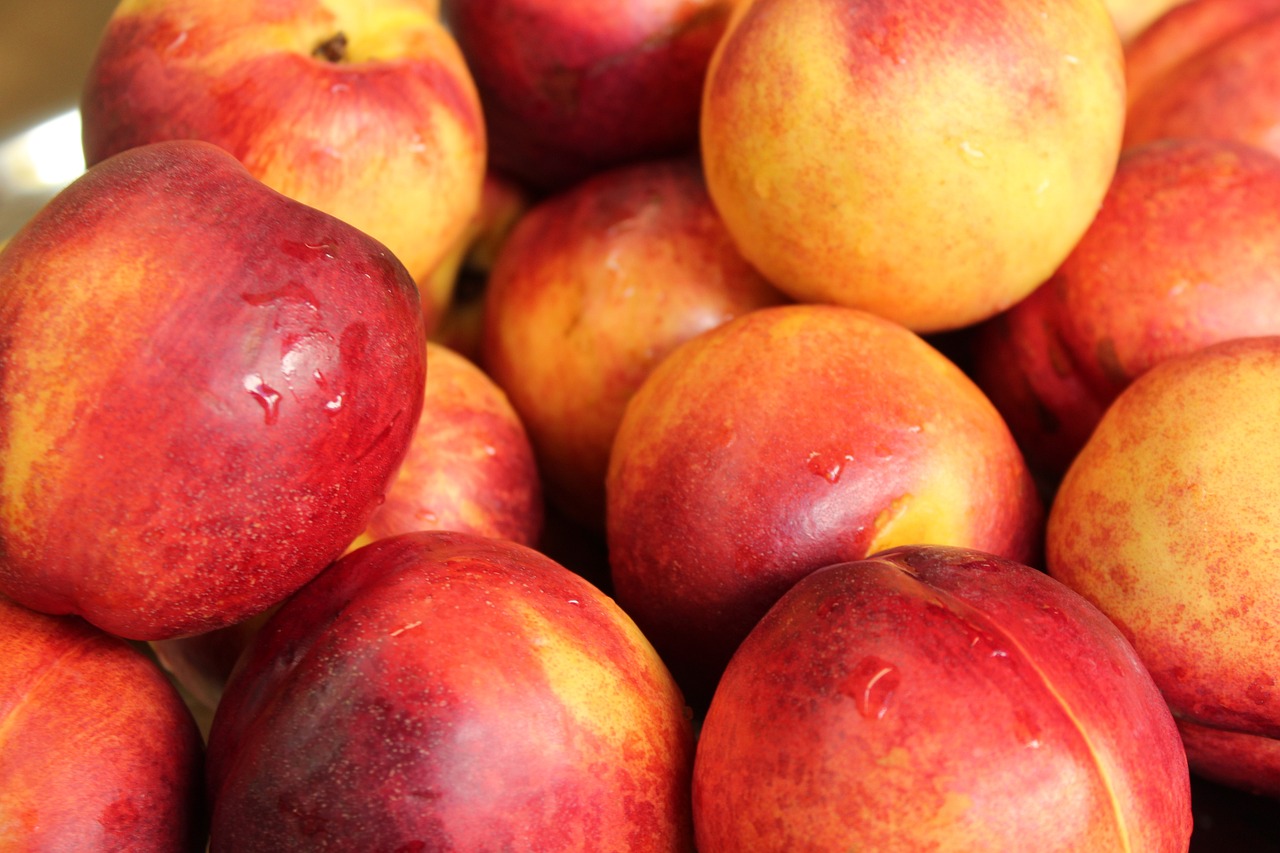
Nectarines help treat anemia
A balanced diet is important, but sometimes we need to do more to support our health. Like… indulge in nectarines more often.
Even if we like them, we have to admit that we don't get to "bear fruit" very often. Whatever our reasons (including the fact that fruit is blamed for high sugar intake), we're doing ourselves a huge disservice by knowingly depriving ourselves of vitamins and minerals essential to health.
Nectarines, for example, they are endowed with an impressive set of nutrients such as vitamins B3 and C, copper and potassium, they are rich in fiber and, on top of that, they are delicious and easy to eat.
It's true, vitamin C is found in many fruits and vegetables, not only in nectarines, but several daily portions are needed for the intake to be sufficient for the body, so it would be good to "take advantage" of those richest sources, such as nectarines. Food supplements can also help, but you have to know that the percentage of absorption is relatively small (liposomal vitamin C is an exception). Regardless of the source, however, vitamin C is necessary for everyone, with a wide spectrum of benefits, from slowing aging to preventing serious diseases. Moreover, it also has the role of supporting other processes in the body, such as the assimilation of iron or the stimulation of the production of white blood cells (phagocytes and lymphocytes), important for treating anemia and increasing immunity.
Anemia is a relatively discrete condition, but it produces significant changes in the body. Among the most common symptoms are fatigue or weakness, shortness of breath, dizziness, headache or irregular heartbeat.
There are several types of anemia, but the most common is iron deficiency (iron deficiency), in which signs can appear even on the skin - itching (pruritus) that can become red, bumpy and painful to the touch. One theory is that low iron levels can make skin thinner and more sensitive, experts say. Long-term iron intake is, in such cases, accompanied by the application of topical corticosteroids or oral antihistamines. But for iron to be assimilated and anemia to be kept under control, vitamin C is needed. A medium nectarine can provide up to 10% of the recommended daily dose, and the rest can be provided easily from vegetables (bell peppers, cauliflower, asparagus, radishes, broccoli, etc.), greens (parsley, spinach) or other fruits (citrus, berries).
Vitamin C is not, however, the only antioxidant found in nectarines. The action of antioxidants triggers an important reaction in the body, which helps to reduce oxidative stress (it is proven that it can cause diseases such as diabetes, Alzheimer's and heart conditions), caused by an imbalance of free radicals. Recent studies show that they would be extremely useful in treating iron-deficiency anemia, including the genetic one, by reducing oxidative damage to red blood cells.
Therefore, the more types of antioxidants we consume, the better.
Nectarines also contain flavonoids, which may help prevent premature deterioration of brain functions, and anthocyanins, which play a role in reducing inflammation and cardiovascular disease.
Nectarines also contain phenolic compounds that help prevent free radical damage. How come... "a nectarine a day keeps the doctor away!"
see here how you can quickly prepare a natural juice from nectarines. Savor it!
No Comments