



Apricots, the medicinal fruit
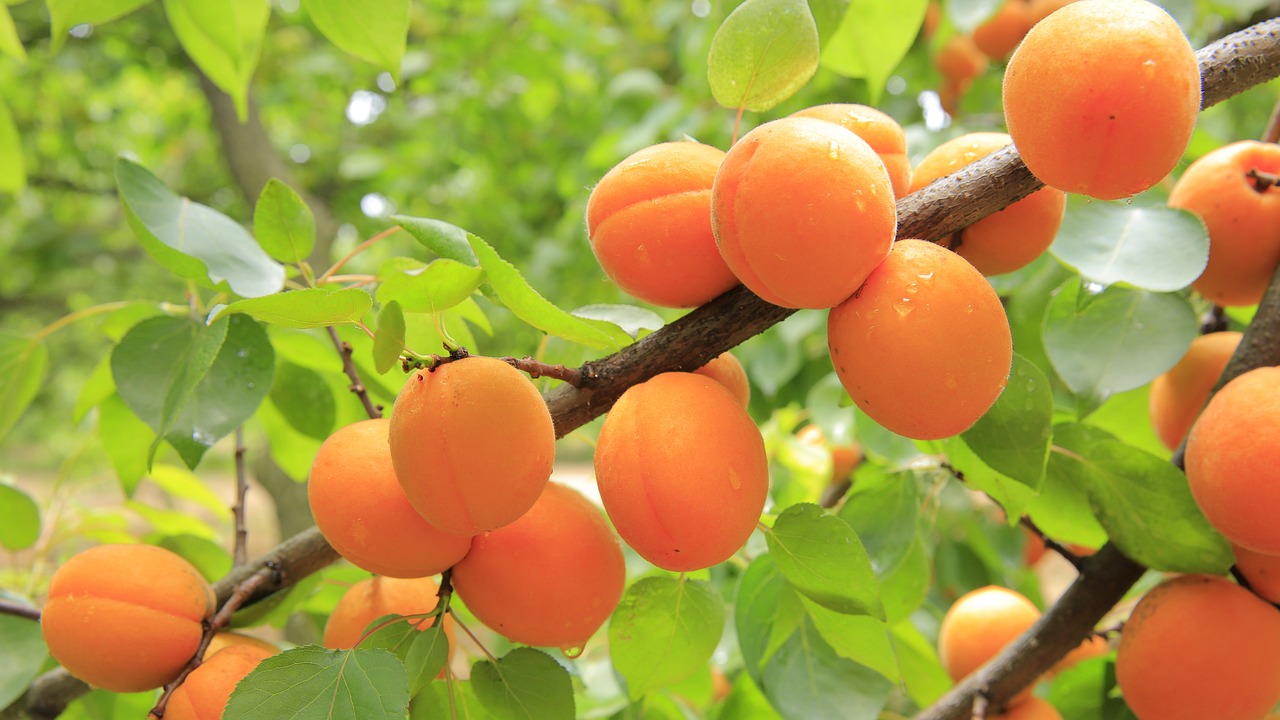
Intensely colored, delicate and tasty from the outside, apricots they are the kind of fruit that satisfies your "something good" craving. And their multiple health benefits prove that we should consume them every day.
Apricots - or Prunus armeniaca, according to their scientific name - are said to have been cultivated for the first time almost 4,000 years ago in China, from where they then took the Silk Road, spreading to Central Asia and the Middle East, and later to the Mediterranean area. Today, Turkey and Iran are the largest apricot growers worldwide.
“Eat carrots, see better…” I heard this all the time as a child and it is very true, but the nutritional profile of apricots shows that they would do at least as well in this mission.
Rich in vitamin A, beta-carotene and other carotenoids (in translation, the pigments that give color to yolks, tomatoes, carrots, green leaves, fruits, but also flowers), apricots also contain lutein, which helps maintain the health of the retina and lens.
Specialists also add the fact that vitamin A supports night vision, but also boosts immunity, thanks to its anti-inflammatory role.
Carotenoids, vitamin E and all the other nutrients in apricots also help reduce the risk of macular degeneration and cataracts.
Eye support is, however, only a small part of the palette of advantages of these fruits. Packed with antioxidants like vitamin E and vitamin C, apricots can prove to be a real skin "guardian", helping to protect skin cells from ultraviolet (UV) radiation, reducing signs of premature aging and improving skin elasticity. And beta-carotene contributes significantly to protect the skin from damage caused by sun exposure.
Last but not least, the flavonoids in apricots are anti-inflammatory and support heart health. In addition, the high water content supports hydration and prevents the skin from drying out.
Fragrant, juicy and full of flavor, apricots are especially appreciated fresh, but they take pride of place among dried fruits. Once dehydrated, they shrink in size (which can encourage overeating) and become more energy-dense, high in sugars, but can be easily preserved and eaten out of season.
The major difference between dried and fresh apricots is the calorie content; one serving, namely one cup of fresh apricots has about 75 calories, while the same amount of dried apricots has about 212 calories. Despite this fact, dried apricots are allowed for diabetics, provided they are consumed in moderation. They are also recommended for their high fiber intake, and experts claim that these dried fruits also contain a certain type of antioxidants - chlorogens, catechins and quercetin, essential in neutralizing free radicals (they are the main cause of oxidative stress).
Apricots have something "extra" compared to other fruits: the pit can be used entirely for nutritional or cosmetic purposes. Specifically, the kernel hidden in the woody shell of the apricot kernel is a rich source of protein, vitamins and carbohydrates. It can be consumed as such, or in derived products such as the oil extracted from the kernels or apricot kernel powder/flour. In the food industry, they are often used to make low-fat biscuits and other sweets, while the inedible woody part is used in the cosmetics industry to make products for mechanical exfoliation (scrubs).
The pits, the remains that we tend to throw away when we eat fruit, contain an extremely valuable vitamin, which cannot be ingested in isolation, due to its toxicity, but can be safely assimilated from apricot pits: amygdalin (or vitamin B17 present in the skin of the pit, also called the cure for cancer) would, according to experts who analyzed its composition, have antitumor, anti-inflammatory, pharmacological effects analgesics and immunomodulators.
It has also been shown that apricot kernels can play a role in supporting the digestive and reproductive systems, but also in reducing blood sugar and preventing neurodegeneration.
Treat yourself to a tart delicious apricot, which you can prepare quickly in your kitchen.
No Comments