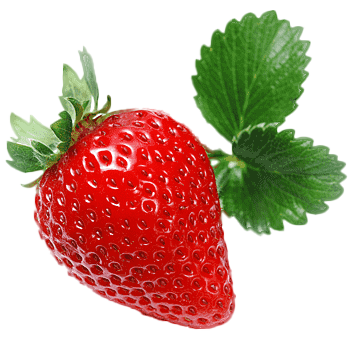
Se spune despre căpșune că ar fi cele mai apetisante alimente, datorită aspectului lor ce tinde spre perfecțiune; poate acesta este și motivul pentru care căpșunele sunt cele mai populare fructe de pădure. Produsă de o plantă aparent fragilă, căpșuna este un fruct cărnos, cu o textură strălucitoare, care capătă o culoare roșie tot mai intensă pe măsură ce se coace, modificându-și forma. Deși sunt mai perisabile prin comparație cu alte fructe din familia lor, căpșunele sunt relativ ușor de cultivat în aproape orice sol/zonă, ceea ce le face mai ușor de găsit în supermarketuri.
„Răsfățatele” bucătăriilor din toată lumea, căpșunele sunt prima opțiune atunci când vine vorba despre deserturi și băuturilor exotice, dând gust si culoare tartelor și torturilor, înghețatelor sau cocktail-urilor. În plus, datorită gustului lor dulce, suplinesc cu succes (fie și numai o parte din) zahărul din acestea.
Consumul de căpșune în exces poate însă atrage complicații în rândul persoanelor cu probleme renale, deoarece rinichii nu pot elimina cantitatea mare de potasiu ingerată. De asemenea, căpșunele conțin goitrogeni, despre care se crede că ar interfera cu funcția glandei tiroide în cazul persoanelor cu probleme tiroidiene. De aceea, este important să nu monitorizăm reacțiile atunci când le consumăm – nu doar cele alergice, și să respectăm porțiile indicate, adică 8 fructe de dimensiune medie.
Valori nutriționale la 100g / Procent DZR
(doza zilnică de referință)*
Energie (kcal):
0
Grăsimi (g/0%):
0
Carbohidrați (g/3%):
0
Proteine (g/1%):
0
Fibre alimentare (g/6%):
0
Vitamina C (mg/62%):
0
Calciu (mg/1%):
0
Cupru (mg/13%):
0
Fier (mg/2%):
0
Mangan (mg/12%):
0
Potasiu (mg/2%):
0
Scor ORAC**/100 g: 1540
Top beneficii
În antichitate, erau considerate „fructe medicinale” – și pe bună dreptate, dar fiind conținutul lor de bogat în antioxidanți. Cercetările clinice au stabilit că această doar opt căpșune consumate zilnic pot atrage beneficii importante, inclusiv îmbunătățirea potențială a sănătății inimii și a creierului, dar și reducerea riscului de cancer. Deși sunt dulci, au un indice glicemic (IG) de 40, ceea ce le face sigure pentru a fi consumate de către persoanele cu diabet, sau cele aflate la dietă.
O căpșună medie se poate dovedi mai bogată în vitamina C decât o portocală, de exemplu, iar culoarea lor roșu intens este dată de antocianidine, un antioxidant puternic. Datorită acestui fapt, dar și prezenței manganului și, de asemenea, cantității impresionante de potasiu și folatului, căpșunele se află pe lista super-alimentelor, datorită cantității de antioxidanți și profilului lor nutrițional complex. Vitamina B9 / acidul folic este important pentru creșterea normală a țesuturilor și funcția celulară, fiind recomandat în special în perioada sarcinii.
Deloc de neglijat este faptul că vitamina C prezentă în căpșună este un aliat de nădejde împotriva îmbătrânirii pielii, susținând producerea de colagen, esențial pentru menținerea elasticității pielii. Potrivit unui studiu efectuat în Coreea de Sud, acidul elagic din căpșune previne distrugerea colagenului și inflamarea pielii, principalele cauze ale apariției ridurilor.
Știați că…
de fapt, căpșuna nu este un fruct; adevăratul „fruct” al plantei sunt semințele lor minuscule.
Citat informație esențială:
Spre deosebire de zmeură, în fructul de căpșună nu există o singură moleculă cu „miros de căpșune”, ci mai multe, iar unele dintre acestea gâdilă receptorii de miros doar în momentul în care mestecăm fructul.
Sfaturile și trucurile noastre:
Pentru a-ți începe ziua în forță, pune câteva căpșune în bolul cu cereale integrale.
După ce le cumperi, păstrează-le la frigider (2-4°C) și consumă-le în maxim 2-3 zile.
Spală doar atâtea căpșune câte vei mânca, ținându-le sub jetul de apă.
Dacă încep să-și piardă strălucirea, pune-le la congelator și folosește-le în smoothie-uri.
**Oxygen Radical Absorbance Capacity = Acest indice măsoară capacitatea antioxidantă a fructului. Valorile ridicate presupun o capacitate antioxidantă puternică, ceea ce implică un proces de oxidare scăzut, esențial în protejarea organismului împotriva efectelor negative ale radicalilor liberi.