



Curcubeu pe cerul gurii cu coloranți alimentari din fructe
Când un preparat îți lasă gura „apă” doar privindu-l, poate fi meritul culorilor, dar acestea nu sunt întotdeauna cele „reale”, ci sunt rezultatul folosirii coloranților artificiali.
Băuturile răcoritoare, dulciurile și produsele semi-preparate congelate sunt de obicei colorate artificial pentru a se putea conforma celor înscrise pe etichete; chiar și atunci când acestea conțin ingrediente de origine naturală, procesarea poate lăsa alimentele fără culoare. Dar aceste substanțe chimice menite să facă mâncare mai plăcută ochilor au o reputație îndoielnică – majoritatea acestora ar fi preparați din petrol, un derivat de gudron de cărbune, și produse petrochimice – , fiind deseori asociate unor riscuri pentru sănătate precum destabilizarea sistemului imunitar, hiperactivitate și ADHD (alimentele colorate artificial sunt consumate cel mai mult de către copii, arată un studiu), reacții alergice și chiar cancer.
Din fericire, există alternative absolut sigure pentru sănătate, doar că acestea se regăsesc într-o proporție destul de mică în produsele comercializate în magazine, obținerea acestora implicând costuri de producție mult mai mari.
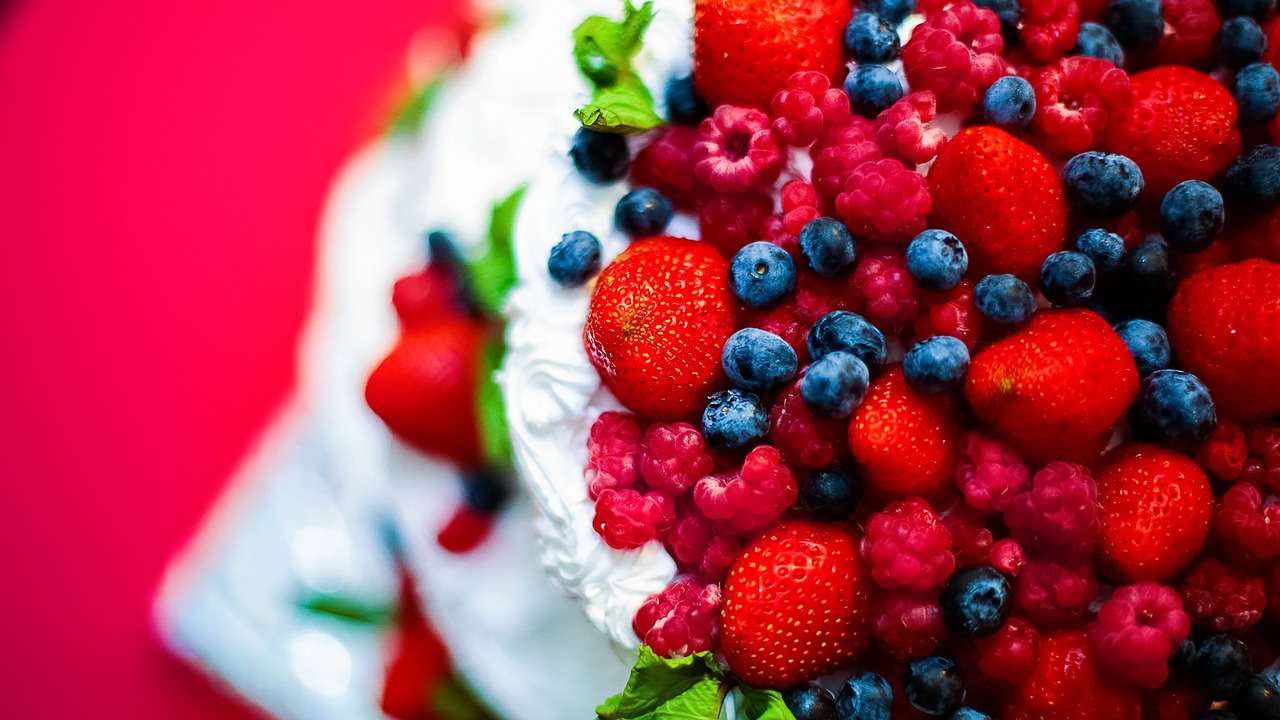
Coloranții naturali, obținuți din fructe și legume, pot face alimentele la fel de apetisante din punct de vedere cromatic. Astfel, dulciurile pregătite în casă pot căpăta nuanțe uimitoare (bine, poate că nu la fel de intense precum cele din comerț), mult mai reale și mai plăcute privirii prin comparație cu cele artificiale.
Gândește-te la o cremă pentru prăjituri de culoarea lavandei, un blat de tort roșu intens sau la faptul că vei putea duce o petrecere tematică la un alt nivel, dând culori surprinzătoare preparatelor tale.
Fructele reprezintă cea mai la îndemână sursă de coloranți alimentari, fiind folosite sub formă de piure, suc sau pudră din fructe deshidratate/liofilizate, după cum o permite fiecare preparat în parte. Dar pentru că fructele nu acoperă toată paleta de culori, se poate apela la anumite legume, condimente sau alte ingrediente sănătoase. Și pentru că majoritatea acestora sunt caracterizate și de un gust intens, pe măsura saturației lor, trebuie să ții cont de faptul că pot afecta semnificativ gustul preparatelor în care sunt adăugate. De aceea, e bine să adaugi câte puțin din alimentul sau condimentul folosit pentru nuanțare, și neapărat să guști preparatul pe parcursul colorării.
Culoarea galbenă poate fi obținută adăugând mango proaspăt sau deshidratat, suc de sfeclă galbenă sau curcumă/turmeric – acesta are un gust foarte intens și se potrivește mai degrabă în preparatele sărate, dar poate fi folosit și în dulciuri, în cantități mult mai mici.
Dacă vrei un galben mai intens sau chiar portocaliu, poți adăuga un strop de colorant natural roșu – zmeura și căpșunile proaspete sau uscate, sucul de sfeclă roșie și vișinele (sub formă de suc sau liofilizate și mărunțite în blender) sunt principalele surse de roșu și roz -, sau poți folosi suc de morcov și șofran.
În ceea ce privește culoarea verde, resursele sunt mai mult decât generoase: spanacul, busuiocul, tulpina de grâu sau orz încolțit, Chlorella, Spirulina, dar și pudra de Matcha, vor completa peisajul din farfurie.
Pentru nuanțe de albastru și violet, apelează la afine, mure și suc de varză roșie, în funcție de specificul preparatului.
Poți obține și preparate de un negru intens adăugând cărbune inactivat.
No Comments