




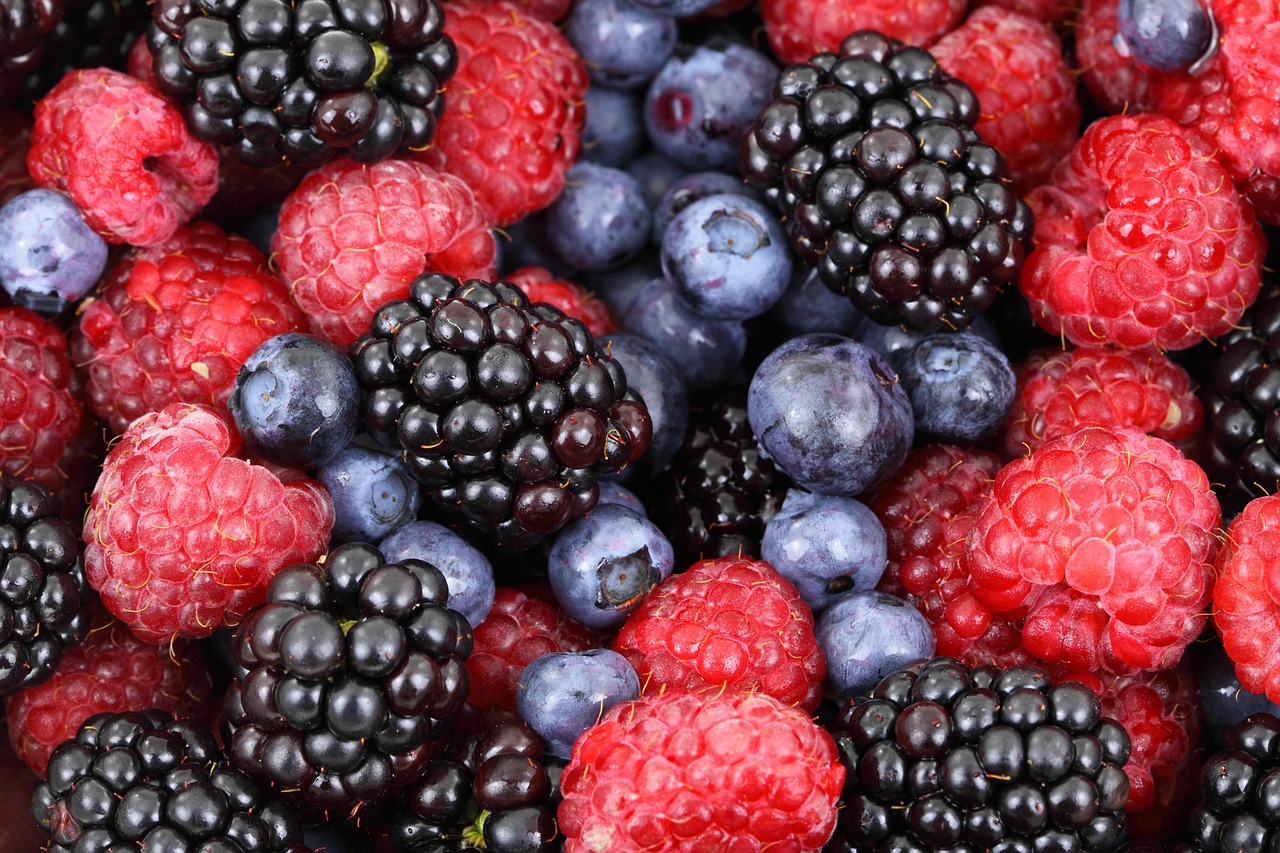
Fructele de pădure sunt cele mai bogate în antioxidați
Este important să mâncăm măcar un fruct în fiecare zi, dar studiile arată că fructele de pădure ar trebui să se afle mai des printre opțiunile noastre.
„Aparent, oamenii care mănâncă mai multe fructe de pădure par să trăiască puțin mai mult”, susține Eric Rimm, profesor de epidemiologie și nutriție în cadrul Harvard TH Chan School of Public Health, pentru Washington Post.
Să fie acestea secretul longevității?
Studiile au demonstrat în repetate rânduri că antioxidanții pot diminua semnificativ efectul radicalilor liberi, reduce stresul oxidativ, îmbunătăți funcția imunitară, susținând astfel sănătatea și implicit longevitatea.
Toate fructele conțin antioxidanți, dar dacă ar fi să întocmim un clasament în acest sens, afinele, murele și zmeura ar conduce detașat, urmate de rodii, arată un studiu publicat în Journal of Agricultural & Food Chemistry. Acestea sunt bogate în antocianine, acid elagic și resveratrol, care ajută la reducerea stresului oxidativ, cel care stă la baza îmbătrânirii premature a organismului, favorizează apariția bolilor și este declanșat de radicalii liberi.
În plus, fructele de pădure furnizează potasiu, magneziu, vitaminele C și K, fibre și prebiotice – care ajută la susținerea unui intestin sănătos.
De asemenea, culoarea intensă a fructelor de pădure este și un indiciu că acestea conțin cantități mari de flavonoide, compuși organici cu proprietăți antivirale, antialergice, antitumorale și, desigur, antioxidante.
Un alt atu al fructelor de pădure îl reprezintă proprietățile lor antiinflamatoare. Stilul de viață dezorganizat, hrana nesănătoasă și stresul pot provoca răspunsuri inflamatorii în organism, care se pot transforma în timp în afecțiuni precum diabetul, bolile de inimă, obezitate sau chiar cancer.
Antioxidanții sunt indispensabili și pielii, ajutând la protejarea acesteia împotriva daunelor oxidative cauzate de radicalii liberi si agresorii de mediu, cum ar fi radiațiile UV și poluarea. Antioxidanții se regăsesc adesea in formulele de îngrijire a pielii, datorită efectelor puternice anti-îmbătrânire ale acestora. Dar aportul de antioxidanți din interior ar putea spori efectelor acestora, și este suficientă o singură porție zilnică de fructe de pădure pentru asta.
Adaugă o mână de afine în bolul cu cereale de la micul dejun, ia o gustare formată din câteva căpșune sau zmeură când simți că-ți scade energia la serviciu sau presară câteva mure într-o salată de rucola cu brânză de capră și nuci stropită cu oțet balsamic, și ți-ai făcut plinul de antioxidanți fără să-ți bați prea mult capul cu asta. Important este că în scurt timp vei vedea și simți efectele, traduse într-o stare generală de bine.
Mai rămâne o singură dilemă de lămurit: proaspete, congelate sau deshidratate?
Evident, fructele proaspete, culese în sezon, sunt cele mai valoroase din punct de vedere nutrițional (și cele mai pline de savoare), dar în cazul fructelor de pădure, congelarea nu reduce deloc din potențialul acestora, spun experții, sugerând chiar că „unele soiuri congelate ar putea avea o concentrație mai mare de elemente nutriționale.” E o veste nemaipomenită, mai ales dacă se întâmplă să cumperi un pic mai multe fructe de pădure sau găsești câteva strivite (le poți adăuga într-un smoothie direct din congelator).
În ceea ce privește fructele de pădure deshidratate, dacă acestea nu sunt procesate cu adaos de zahăr, „conțin aproximativ aceeași cantitate de nutrienți ca și fructele proaspete, dar condensate într-o cantitate mult mai mică,” arată Healthline.com, fructele uscate conținând astfel până la de 3,5 ori mai multe fibre, vitamine și minerale, față de aceeași cantitate de fructe proaspete. Le poți rehidrata adăugându-le în terciul de ovăz, smoothie-uri sau în iaurt, iar sub formă de pudră pot da gust și culoare deserturilor precum brioșele, bezele creme sau glazuri.
No Comments