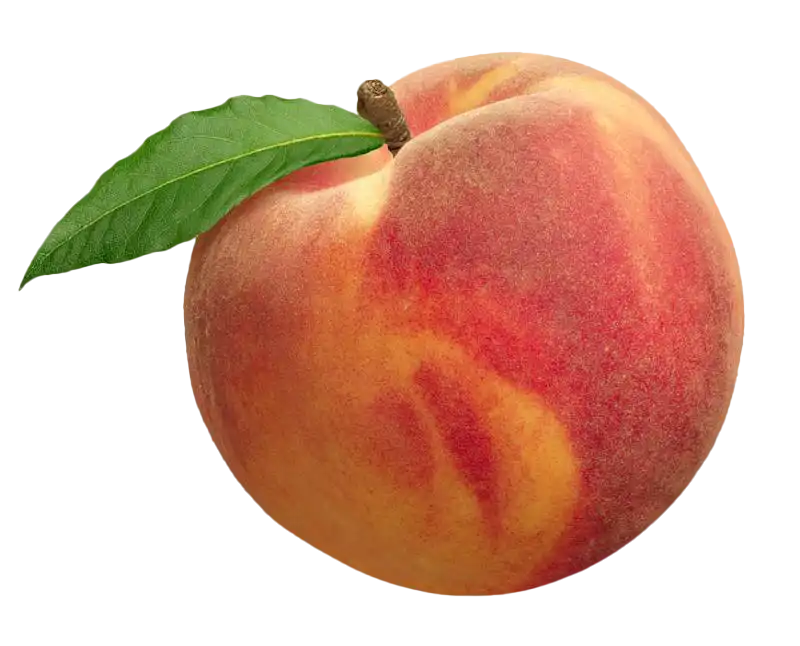
Peaches are fruits related to nectarines and apricots, but also to almonds, the differences between the shrubs that produce them being the fruit. They also come from Asia, from where they spread through the Mediterranean, all over the world.
The pulp (but also the peel) of peaches contains a lot of fiber and nutrients, constituting an efficient source of energy. Fresh fruits also contain vitamins, minerals, starch, pectins, antioxidants and several organic acids. They also contain all the essential components of group B, beta-carotene, tocopherol and biotin.
The relatively low calorie content recommends peaches to be consumed by both diabetics and people who want to lose weight, successfully satisfying the need for "something sweet".
Nutritional values per 100g / Percent RDA
(daily reference dose)*
Energy (kcal):
0
Fats (g/0%):
0
Carbohydrates (g/4%):
0
Proteins (g/2%):
0
Dietary fiber (g/5%):
0
Sugar (g):
0
Iron (mg/2%):
0
Copper (mg/9%):
0
Potassium (mg/3%):
0
Selenium (mcg/4%):
0
Vitamin C (mg/5%):
0
Vitamin B3 (mg/5%):
0
Vitamin E (mg/5%):
0
Top benefits
The consumption of peaches can be useful in the processes of blood formation, their components accelerating the synthesis of hemoglobin, which recommends peaches in cases of anemia (in addition, vitamin C in peaches helps to assimilate iron).
Peaches prevent the onset of colds and protect the body from many other conditions, as it contains a complex of vitamins A, B and C and other antioxidants, as well as numerous essential nutrients in the prevention of heart disease, diabetes or cancer.
Despite their allergenic potential (due to the fluff), studies show that peaches can help lower the immune system's response to allergens, thereby reducing allergy symptoms.
Did you know that…
Peach fluff can trigger an allergy, both by contact with it and by ingesting it (no matter how much you wash the peach, fluff residues remain).
Quote essential information:
A study shows that the caffeic acid in peaches can prevent breast, colon or lung cancer.
The tips and the tricks our:
Keep the peaches in the refrigerator, at temperatures of 2-4 degrees, for a week.
Place halved peaches on the grill and serve drizzled with honey and spices.
You can remove the skin from peaches by immersing them in hot water for three minutes.
Also try peaches with white cores, they taste different than yellow ones.
**Oxygen Radical Absorbance Capacity = This index measures the antioxidant capacity of the fruit. High values imply a strong antioxidant capacity, which implies a low oxidation process, essential in protecting the body against the negative effects of free radicals.