




Resveratrolul din struguri, elixirul vieții
Când spui struguri, spui vin, dar și răsfăț (și nu doar pentru papilele gustative), sănătate și frumusețe.
Se spune că viticultura ar exista de când lumea, iar faptul că strugurele se află încă în centrul atenției i se datorează întru-totul. Îi regăsim în centrul celor mai fastuoase mese, în rețete simple ori sofisticate, la baza celor mai multe soiuri de vin, în produse derivate cu un profil nutrițional impresionant (ulei de sâmburi de struguri) și în industria cosmetică, de la produse de îngrijire și până la suplimente alimentare (nutricosmetice).
Motivele?
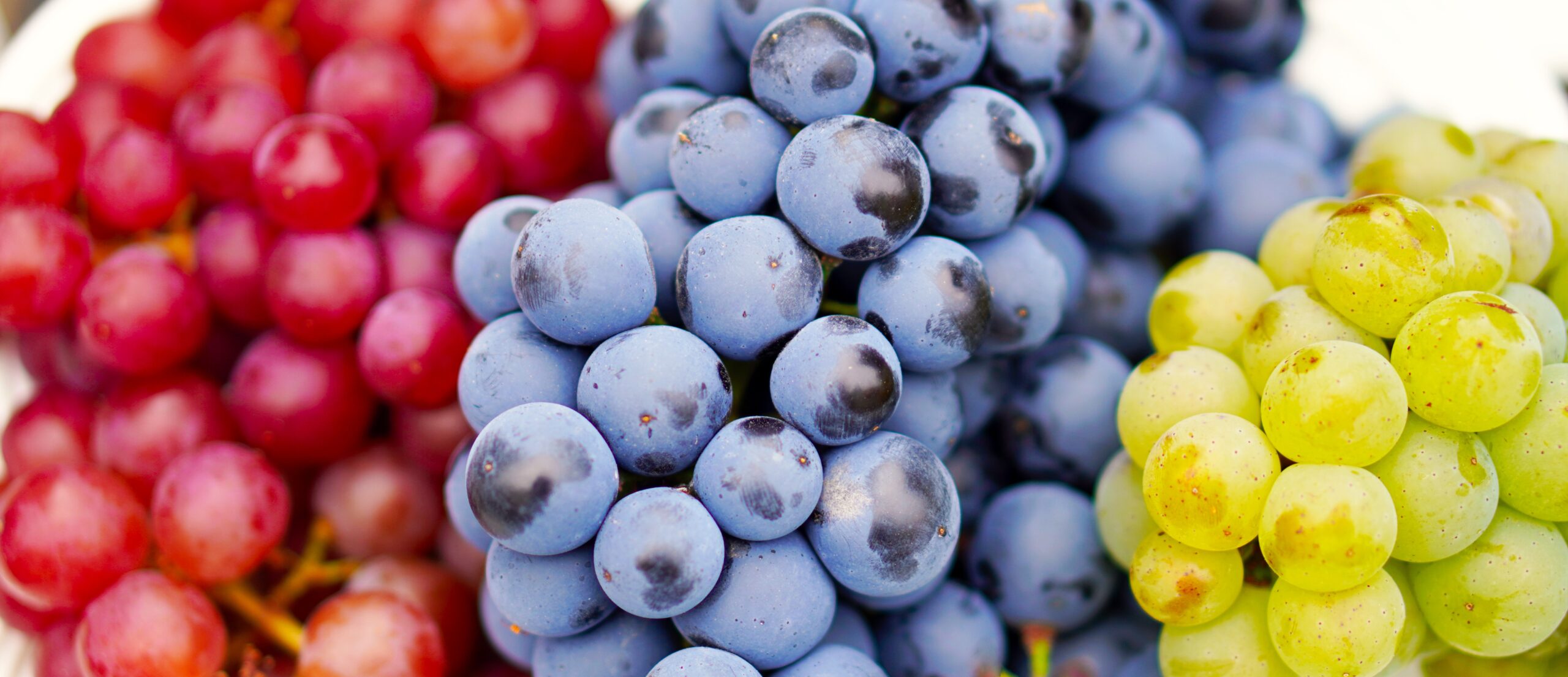
Dincolo de gustul și parfumul lor, care satisfac chiar și cele mai rafinate gusturi, strugurii se pot mândri cu numeroasele lor beneficii pentru sănătate și frumusețe. Iar acest portofoliu impresionant se datorează resveratrolului, un polifenol natural care provine cel mai adesea din strugurii roșii.
Că sunt doldora de vitamine si nutrienți esențiali, nu încape îndoială, dar așa sunt mai toate fructele și legumele. Strugurii tind să se remarce datorită proprietăților lor puternic antioxidante, susținute cu ajutorul vitaminei C, resveratrolului și polifenolilor. O mână de struguri are numai 104 kilocalorii, 4,8 miligrame de vitamina C, 10 micrograme de Vitamina A, 288 mg de potasiu, și o cantitate suficientă de vitamina K (esențială pentru coagularea sângelui și oase sănătoase).
Numeroase studii au avut drept obiect strugurii, iar rezultatele au fost pur și simplu uimitoare. De exemplu, faptul că aceștia pot îmbunătăți memoria, atenția și starea de spirit; un studiu a constatat faptul că 250 mg de supliment obținut din struguri pe zi au îmbunătățit considerabil scorurile obținute de participanți la testele cognitive (acestea au măsurat atenția, memoria și limbajul, prin comparație cu valorile de bază.
Un alt studiu a măsurat efectele consumului de struguri roșii (500g/zi timp de opt săptămâni) și a ajuns la concluzia că aceștia ar reduce nivelul de colesterol LDL total și „rău” (se pare că strugurii albi nu au avut același efect). De altfel, alte studii au confirmat că dietele bogate în resveratrol din struguri, de exemplu dieta mediteraneană, au avut ca efect scăderea eficientă a nivelului colesterolului.
Resveratrolul ar putea fi de un real folos și în prevenirea Alzheimer-ului, precum și în prevenția și tratamentul cancerului, potrivit altor cercetări. Cercetările au arătat și că resveratrolul din struguri activează genele asociate cu o îmbătrânire mai lentă și susțin longevitatea.
Tot resveratrolul poate proteja celulele retiniene din ochiul uman împotriva daunelor cauzate de lumina UVA (ultravioletă A). Un studiu a constatat că acest compus uimitor din struguri poate proteja și împotriva dezvoltării glaucomului, a cataractei și a bolii oculare diabetice, iar datorită conținutului de antioxidanții precum luteină și zeaxantina, prezenți în struguri, ne-am putea „feri” ochii și de daunele luminii albastre (sigur, diminuarea contactului cu aceasta ar fi principala soluție).
Prezent în struguri și în produsele derivate din aceștia (vinul, mai exact), resveratrolul este cel care susține sănătatea pielii, oferind suport în combaterea radicalilor liberi, reducând roșeața și inflamația sau prevenind îmbătrânirea prematură.
Iar vinul poate oferi aceste beneficii în două moduri: savurându-l din pahar sau prin vinoterapie, extrem de populară în ultimii ani, care nu doar face pielea mai frumoasă, ci stimulează circulaţia sanguină şi are un puternic efect tonifiant şi revigorant.
Vorba acea: „in vino veritas…beauty.”
No Comments