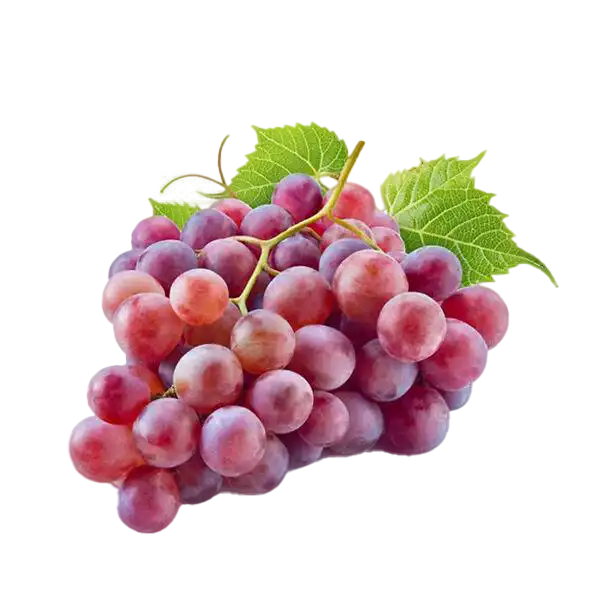
Grapes are the fruit of the vine (Vitis Vinifera), a plant that produces over ten thousand varieties of grapes, either for table or wine. Archaeological discoveries have shown that wine was used in various ceremonies in antiquity, as well as for medicinal purposes, with the first wines dating back to 4000 BC.
Grapes are rich in antioxidants such as vitamin C, resveratrol and polyphenols. They also contain beta-carotene, lutein and ellagic acid, other powerful antioxidants. Vitamin C is essential for repairing DNA and stimulating collagen production, also having an important role in the synthesis of serotonin, the hormone of happiness.
A cup of grapes has just over 100 calories, plus Vitamin A, Vitamins B1 and B2, potassium, calcium and magnesium and a sufficient amount of vitamin K. Lack of these nutrients can increase the risk of bone fractures.
Nutritional values per 100g / Percent RDA
(daily reference dose)*
Energy (kcal):
0
Fats (g/0%):
0
Carbohydrates (g/10%):
0
Proteins (g/2%):
0
Dietary fiber (g/5%):
0
Potassium (mg/6%):
0
Copper (mg/21%):
0
Vitamin B1 (mg/9%):
0
Vitamin B2 (mg/8%):
0
Vitamin C (mg/5%):
0
Vitamin K (mcg/18%):
0
ORAC score**/100 g: 2830
Top benefits
The potassium in grapes can help lower blood pressure and lower the risk of heart disease and stroke.
Eating grapes can prevent or delay eye diseases such as cataracts and glaucoma. Resveratrol can protect retinal cells in the human eye against damage caused by UVA (ultraviolet type A) light.
Grape skins are rich in melatonin, a chemical that can improve sleep quality and mood.
Did you know that…
Resveratrol in grapes supports skin health by providing support in fighting free radicals, reducing inflammation and preventing premature aging.
Quote essential information:
Antioxidants such as lutein and zeaxanthin, found in grapes, can protect the eyes from damage caused by blue light (smartphone, tablet, etc.).
The tips and the tricks our:
Recognize fresh, crisp grapes by their still green stalks.
Wash the fruit just before consumption, keeping it in a bowl of water at room temperature for a few minutes.
Keep the grapes cold (2-4 degrees Celsius), in containers that allow air circulation.
**Oxygen Radical Absorbance Capacity = This index measures the antioxidant capacity of the fruit. High values imply a strong antioxidant capacity, which implies a low oxidation process, essential in protecting the body against the negative effects of free radicals.