




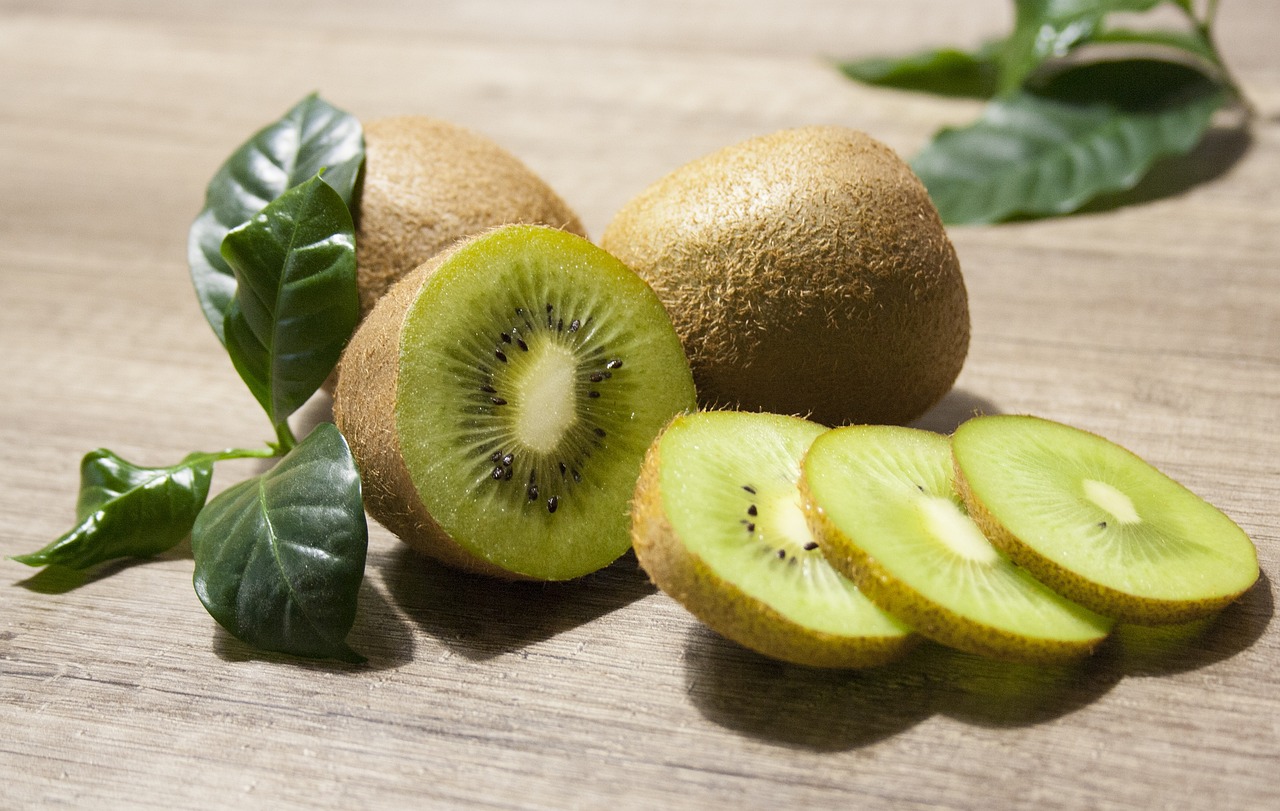
Un kiwi pe zi ne poate înveseli, arată un studiu
Mai puțin populare decât citricele, fructele de kiwi pot furniza o cantitate importantă de vitamina C, una dintre sursele de hrană a… stării noastre de spirit. Află ce beneficii surprinzătoare mai au aceste fructe.
Când spui fructe, spui vitamine, minerale, antioxidanți și numeroși alți nutrienți esențiali pentru sănătate. Dar există diferențe majore între acestea, iar kiwi se distinge în primul rând prin conținutul de vitamina C, asigurând până la 92,9 mg/100 g, un aport aproape dublu prin comparație cu lămâile. Asta înseamnă că un singur fruct mediu ar putea fi suficient pentru a asigura doza zilnică recomandată (adică 80 mg pe zi). Despre beneficiile antioxidante ale acestei vitamine știe oricine, dar acidul ascorbic regăsit din belșug în kiwi are și alte efecte mai puțin cunoscute.
Cercetătorii au observat în repetate rânduri că persoanele cu deficit de vitamină C se simțeau obosite sau deprimate, dar dispoziția acestora părea să se îmbunătățească după administrarea unei doze. Acest lucru se explică prin faptul că Vitamina C este necesară organismului și pentru a transforma triptofanul – aminoacidul prezent în proteinele animale pe care le consumăm, în serotonină, neurotransmițător major al creierului.
Rezultatele unui alt studiu au arătat că vitamina C a fost capabilă să reducă nivelul de anxietate (prin comparație cu un grup căruia i s-a administrat un placebo). Mai mult decât atât, vitamina C funcționează ca un neuromodulator, ceea ce înseamnă că vă ajută celulele să utilizeze în mod corespunzător substanțele chimice importante pentru creier, precum dopamina. Pare complicat, dar e atât simplu: cu un singur fruct de kiwi poți privi viața din altă perspectivă.
Dacă faci sport regulat, probabil te-ai confruntat cu efectele mai puțin plăcute ale efortului fizic intens. Experții susțin că acest lucru are legătură parțial cu stresul oxidativ (alți factori de risc sunt ingerarea de pesticide din fructe și legume, poluanții din aer, consumul de zahăr, grăsimi și alcool în exces), iar un studiu efectuat în Japonia a inclus 30 de alergători bărbați care au fost expuși în mod regulat la acest efect indus de antrenament. Jumătate dintre aceștia au fost instruiți să mănânce două kiwi pe zi, timp de două luni, fără alte modificări în dieta lor, în timp ce grupul rămas nu a consumat deloc kiwi. La final, cercetătorii au descoperit că subiecții care au mâncat kiwi au redus efectele dăunătoare ale antrenamentului indus de stresul oxidativ asupra corpului lor.
Kiwi poate fi un remediu excelent și pentru problemele digestive, arată un alt studiu. Mai exact, acesta conține o enzimă digestivă naturală, numită Actinidin. Aceasta are un efect pozitiv asupra microbiomului intestinal – kiwi conține prebiotice, care este o sursă prețioasă de hrană pentru bacteriile intestinale, a căror înmulțire și diversificare îmbunătățește mediul digestiv din intestin.
De asemenea, consumul de kiwi este asociat cu un potențial ridicat în ceea ce privește digerarea proteinelor alimentare, tot datorită prezenței acestei enzime proteolitice, regăsite și în ananas, un alt fruct recomandat pentru capacitatea sa de a optimiza digerarea proteinelor animale.
No Comments