




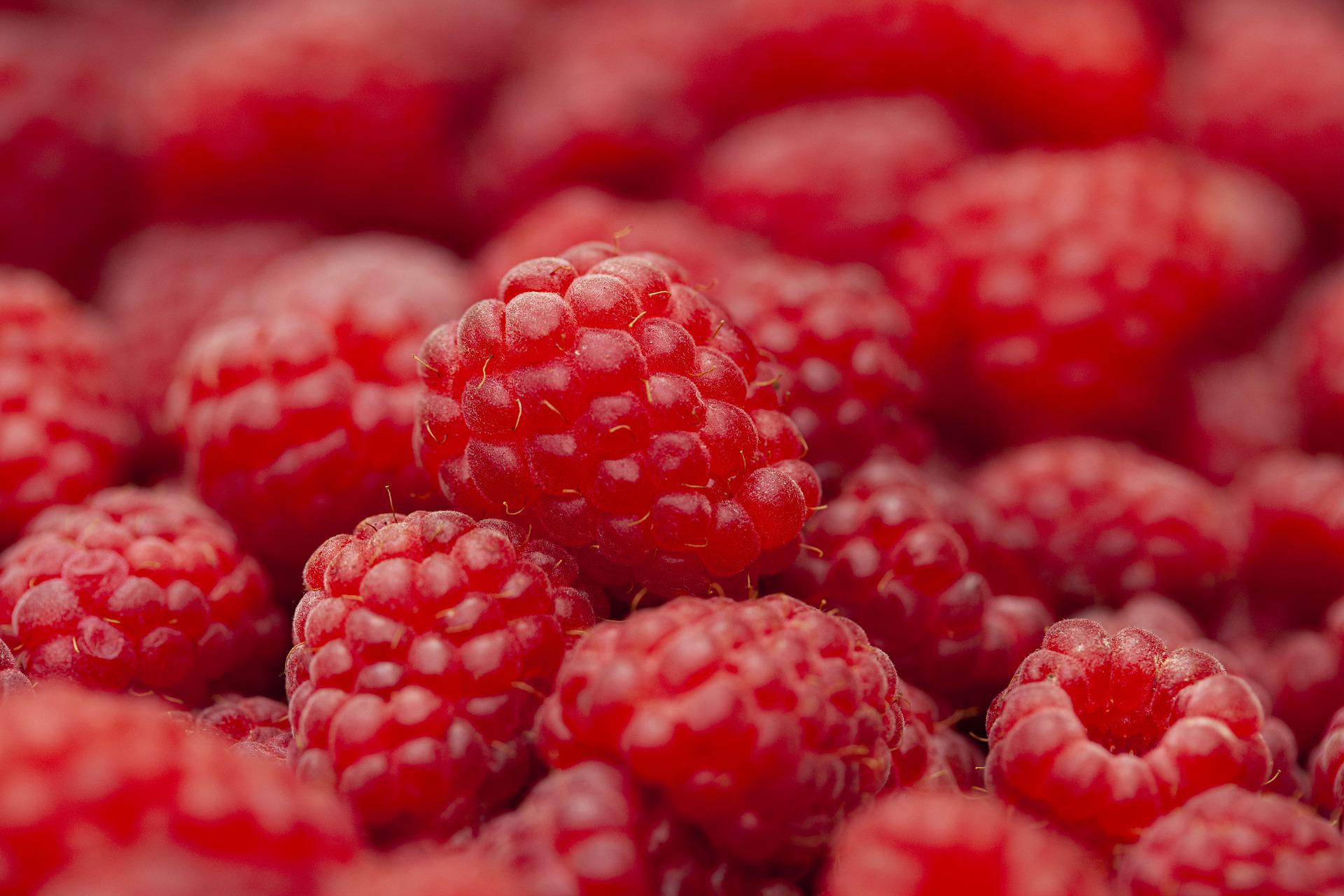
Raspberry, the magical fruit
Colorful, appetizing and fragrant, these fruits should be on the shopping list more often.
When you are a fruit lover, there are good chances that some of them are neglected in favor of others, our decisions are often influenced not only by preferences, but also by the season, the origin of the products, prices, appearance or quality.
We buy more often apples, bananas and citrus fruits, and only sometimes fresh berries - such as raspberry, despite their impressive nutritional profile.
Considered to be the healthiest choice for dessert or snack, berries (both fresh and frozen) can have important health and beauty benefits while satisfying even the pickiest of taste buds.
Raspberries have a lot of nutrients, and you don't even need to consume large amounts of these fruits to benefit from them; a small bowl of raspberries provides more than 50% of the minimum RDA (recommended daily allowance) of vitamin C, which we all know supports immunity and health (as well as youthful looking skin) by stimulating collagen production.
Numerous phytochemicals are found in raspberries: phenolic flavonoids such as anthocyanins, ellagic acid (tannin), quercetin, gallic acid, cyanidin, pelargonidin, catechins, and salicylic acid, as well as other polyphenolic antioxidants such as lutein, zeaxanthin, and beta-carotene.
We find impressive amounts of antioxidants in raspberries, which can protect us from heart disease, cancer, diabetes and obesity. Studies show that certain phytonutrients in raspberries, namely ellagitannins, can actually help neutralize cancer cells by signaling apoptosis, or programmed cell destruction.
Raspberries also contain manganese (co-factor in enzyme production) and B-complex vitamins (B6, niacin (B3), riboflavin (B2) and folic acid, which help the body in the metabolism of carbohydrates, proteins and fats) and vitamin K, but also sufficient amounts of vitamin E, magnesium, copper (supports the production of red blood cells) and potassium (essential in controlling heart rate and blood pressure).
The antioxidants in raspberries also help reduce inflammation, a process responsible for many diseases and premature aging. Certain compounds in raspberries have also been shown to repair DNA and block enzymes that trigger arthritis pain.
We don't have to worry about the figure either. Because fruits in general can contribute to weight gain, raspberries have been shown to be low in sugar, with only 5 grams per cup (while a medium apple contains almost 20 grams), 52 kcal/100 g and only 7 grams of carbohydrates per serving.
An extremely popular sugar substitute in recent years, Xylitol, is extracted from raspberries. The main benefit of this sweetener is that it is absorbed into the bloodstream more slowly and helps keep the glycemic index low.
Equally important for health (and figure) is the intake of fiber – it supports the development of beneficial bacterial flora in the intestines, and raspberries can provide up to a third of the required daily intake.
And if its divine taste wasn't enough to enjoy it more often anyway, important benefits of raspberry consumption have also been reported in terms of preventing diseases such as Alzheimer's and Parkinson's. The delicate fruit is able to contribute to combating oxidative stress, a causative factor of these diseases.
The flavonoids in berries have also been shown to help improve coordination, memory and mood.
You can find a sweet and easy-to-make raspberry snack here.
No Comments